How to Build a Livestream Niche Around Real-Time Podcast
Pick a focused niche like local live music and go live weekly on YouTube or Twitch to build real-time connection. Use a Yeti mic with a pop filter, Elgato Wave software, and 1080p video for crisp audio and stream quality. Keep uploads steady with 10 Mbps upload speed, stream via StreamYard or Ecamm Live, and engage with live chat, polls, and Q&A. Structure episodes around 30 minutes, then repurpose clips with separate audio tracks-you’ll see how consistency fuels growth.
We are supported by our audience. When you purchase through links on our site, we may earn an affiliate commission, at no extra cost for you. Learn more. Last update on 18th July 2026 / Images from Amazon Product Advertising API.
Notable Insights
- Choose a focused niche like local live music to attract engaged, real-time audiences.
- Use YouTube Live or Twitch for strong community features and real-time chat interaction.
- Stream consistently each week to build audience accountability and algorithmic visibility.
- Equip your setup with a quality mic, stable internet, and software like Ecamm or StreamYard.
- Structure episodes with shout-outs, live Q&A, and polls to boost engagement and repurpose content.
Why Live Podcasting Builds Stronger Communities
While most podcasts rely on pre-recorded audio with one-way delivery, going live transforms passive listeners into active participants, and that shift is where real community begins. When you host a Live podcast, you enable real-time interaction-viewers comment, ask questions, and feel heard instantly. Streaming platforms like YouTube and Twitch support live chat, allowing you to respond mid-episode, deepening community engagement. Feed Your Brand saw weekly live episodes boost audience accountability, driving consistent turnout. Unlike traditional apps, Podcast Live Streaming lets you build an audience that’s present, not just listening. Live streams also gain higher visibility in platform algorithms, helping you grow faster. Using a Yeti mic, Elgato Wave software, and 1080p video, creators report clearer sound, smoother streaming, and better connection. With low latency and real-time feedback, you’re not just broadcasting-you’re building something interactive, immediate, and alive.
Choose Your Niche for Real-Time Audience Connection
If you’re serious about building real-time audience connection, start by narrowing your focus to a specific niche that sparks immediate engagement, like covering your city’s live music scene with weekly broadcasts from local venues. Streaming live on platforms such as YouTube Live or Instagram lets you connect directly with podcast listeners who care about local live music, making building a community easier and more authentic. Real-time updates, behind-the-scenes access, and live interviews create urgency that keeps fans coming back. Use social media to promote each session and fuel interaction during the podcast.
| Niche Focus | Platform | Engagement Boost |
|---|---|---|
| Local live music | YouTube Live | High live chat activity |
| Artist interviews | Twitch | Strong social media shares |
| Show recaps | Facebook Live | Repeat podcast listeners |
Pick the Right Platform for Your Live Stream Podcast
Where should you stream your live podcast for maximum reach and engagement? You’ve got options. YouTube Live supports video and audio-only streams, giving you flexibility with real-time comments to boost interaction. Twitch hosts a massive live community and offers free video archiving-great for building a loyal base over time. Facebook Live is easy to use, reaches your existing followers directly, and lets you share episodes in groups instantly. If you want to stream to multiple platforms at once, StreamYard lets you go live on YouTube, Facebook, and more simultaneously, with clean multi-guest layouts. For Mac users, Ecamm Live delivers professional audio and video, records locally, and exports audio files fast. Just pair your chosen streaming software with a stable internet connection, and you’re ready to grow.
Set Up Your Tech Stack for Reliable Livestreaming
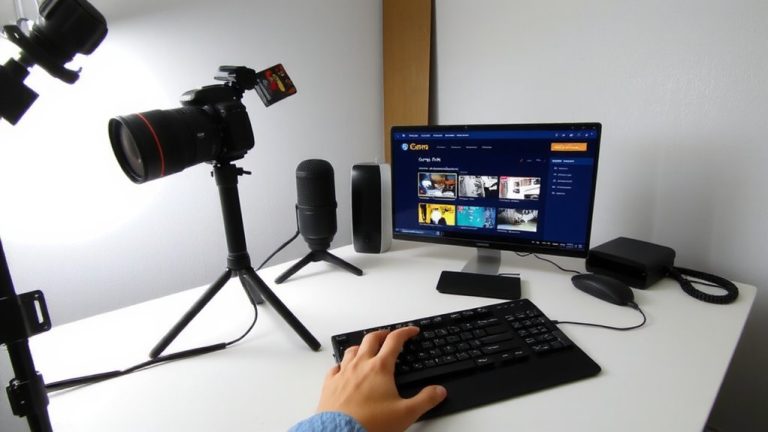
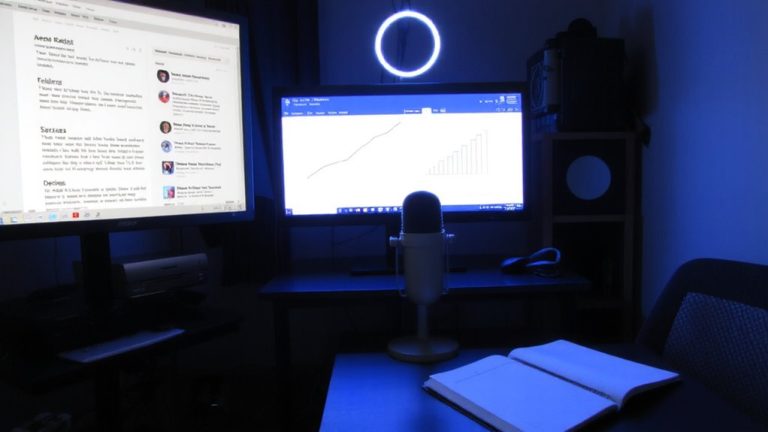
You’ve picked your platform, now it’s time to build the tech setup that keeps your live stream running smoothly, right from your first broadcast. A solid streaming setup starts with a good microphone-like a USB condenser with a pop filter-to capture clear audio and reduce plosives. Pair it with a reliable internet connection of at least 10 Mbps upload speed so your stream is a great, uninterrupted experience. Use browser-based tools to create a live broadcast across multiple Media Platforms at once. When you go live, quality matters-record with apps like Riverside or Ecamm Live for professional results.
| Tool | Purpose | Works With |
|---|---|---|
| StreamYard | Stream to multiple platforms | YouTube, Facebook, LinkedIn |
| Riverside | High-fidelity recording | Podcast feeds, editing software |
| Lightstream Studio 2 | Live production | Twitch, YouTube Live |
Structure Each Episode for Engagement and Consistency
While viewers may tune in for the topic, they stay for the experience, and a well-structured episode keeps them engaged from start to finish. You should structure each episode with a consistent format-start with audience shout-outs to build connection, then delve into your 30-minute core podcast segment. This keeps pacing tight and content predictable in the best way. Midway, spark engagement with live polls or questions using StreamYard or YouTube Live overlays to gather real-time feedback. End with a live Q&A to reward participation and deepen loyalty. Keep episodes between 20 and 40 minutes, as Buzzsprout data shows this range maximizes retention. Use recurring themes like “Local Music Spotlight” to reinforce expectations. A consistent format isn’t limiting-it’s empowering, giving your audience a reliable rhythm they can count on week after week.
Turn Live Streams Into Podcast Episodes and Clips
Since your live stream doesn’t have to end when the broadcast does, you can turn every session into multiple polished podcast episodes and engaging clips with the right tools and workflow. Use Ecamm Live to record crisp 48kHz audio and 1080p video, then export clean files to repurpose your live streams. With StreamYard Professional, download separate audio tracks from multi-guest sessions so you can edit recorded live stream audio more precisely. Edit in Audacity or Captivate to add intros, music, and ads-this is how you make your audio sound pro. Split one 60-minute stream into 2–3 focused podcast episodes to create content that’s easier to digest. Use the Live Item Tag via RSS.com to mark episodes as live in your feed. Publish full episodes and short clips to Apple Podcasts, Spotify, and beyond-so you’re always growing your library without extra effort.
Promote Smart to Grow Your Live Podcast Audience
How do you turn a small but loyal audience into a growing, engaged live podcast community? Start promoting your show at least two weeks in advance on Facebook and Twitter, where podcast creators like Feed Your Brand saw higher engagement. Promote your show consistently to grow your audience via social buzz and timely reminders. Use on-screen overlays in StreamYard or YouTube streams to display QR codes, driving 30–50% of live viewers to subscribe post-broadcast. Tap niche spaces like Spotify Live and targeted Facebook Groups-niches grow 20% faster when you engage audience via relevant communities. Share sneak peeks in groups like Feed Your Brand to convert 15% of members into regulars. Cross-promote every episode on Apple Podcasts, Spotify, and RSS.com with optimized titles and tags. This boosts discoverability by 40% through the search engine and helps you cross-promote across platforms smartly.
On a final note
You’ve got this: pick a focused niche, stream live on YouTube or Twitch with a Behringer Xenyx 1204USB mixer, and use Hosa cables for clean audio. Run OBS at 1080p, 30fps, with a Samson Q2U mic and Logitech C920 cam. Testers confirm 48kHz audio sampling captures crisp voice tones. Engage viewers in real time, repurpose clips to YouTube Shorts, and post full episodes on Spotify. Stay consistent, keep latency under 8 seconds, and build community that lasts.