Best Instruments for Beginners
You’ll start fast with a ukulele-its soft nylon strings, $50 price tag, and simple chords let you play songs in days, not months. A digital piano with 88 weighted keys builds technique, while the harmonica, at just $10, fits in your pocket and responds instantly to breath. Kids as young as five thrive on piano or ukulele, and by age 10, saxophone or trumpet open band opportunities-each designed for quick wins, real melodies, and steady progress from day one. Discover which fits your hands, voice, or daily rhythm next.
We are supported by our audience. When you purchase through links on our site, we may earn an affiliate commission, at no extra cost for you. Learn more. Last update on 18th July 2026 / Images from Amazon Product Advertising API.
Notable Insights
- Ukulele is ideal for beginners with soft nylon strings and easy chords for quick song learning.
- Piano offers immediate feedback, logical key layout, and builds strong rhythm and note recognition skills.
- Singing requires no equipment and is the most accessible entry point for aspiring musicians.
- Harmonica is affordable, portable, and uses simple blow-and-draw patterns for instant playability.
- Bongos and cajón focus on feel and rhythm, enabling beginners to play along without music theory.
What Makes an Instrument Easy for Beginners
While some instruments demand complex fingerings or costly gear just to make a decent sound, others let you dive right in with minimal setup and quick wins. You’ll find the ukulele easy to start, thanks to soft nylon strings and simple chords that let you play songs in your first session. The piano’s layout is logical-press any key and you get instant sound, boosting rhythm and note recognition fast. Singing needs no gear, just your voice, making it the most accessible option. Harmonica, at just $10, offers immediate engagement with basic blow-and-draw patterns you can master in minutes. Bongos and cajón break down rhythm into feel, not theory, supporting real-time play-along with minimal technical barriers. Whether you choose ukulele, piano, singing, harmonica, bongos, or cajón, each offers quick progress, low cost, and reliable first-day results-ideal for staying motivated from day one.
Best Beginner Instruments by Age and Skill Level
You’ve got the basics down when it comes to what makes an instrument beginner-friendly-low cost, quick results, minimal setup-and now it’s time to match those qualities to the right age and skill level. For kids as young as four, the violin is a top beginner instrument, building listening skills and dexterity early. Ages five to seven thrive with ukulele, where simple chords let you play full songs fast. Piano is ideal from age five up, its logical layout accelerating music reading and melody playing. Voice starts with choir at seven, but formal lessons suit ages 12+, after vocal maturity. Saxophone and trumpet fit ages 10–12, aligning with school bands and offering manageable breath and finger demands. Whether you’re drawn to strings, keys, or wind, the best instruments for beginners grow with your skill. Learning a musical instrument works best when timing and instrument fit just right.
Best Beginner String Instruments and Why They’re Easy
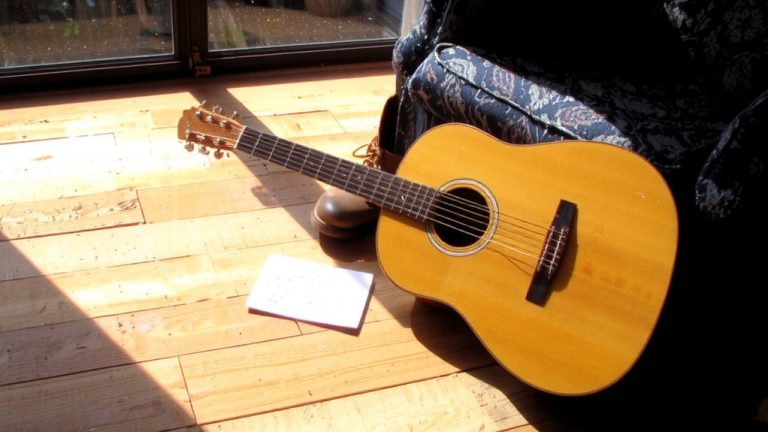
String instruments offer a clear, rewarding path for beginners, and the ukulele stands out as a top choice for new players. With only four strings and simple chord shapes, it lets you play full songs fast-often in your first lesson. The ukulele’s soft nylon strings reduce finger pain, making practice more comfortable. Acoustic guitars are also solid beginner string instruments, costing $100–$200, with tons of free online tutorials to help you master three- or four-chord songs quickly. The bass guitar has four strings too, but focuses on single-note rhythms, helping you build timing and join bands sooner. You’ll develop foundational string techniques on violin, starting as young as four, with small sizes available. The cello’s seated position feels natural, and its larger size improves finger placement accuracy. All are great entry points to music.
Beginner-Friendly Keyboard and Percussion Options
When you’re starting out on keyboard, a digital piano gives you realistic feel and response without the upkeep of an acoustic instrument, with models starting at $300 offering weighted keys that build proper finger strength and technique over time. Beginner digital keyboards let you produce sound instantly and feature a logical piano-like key layout, making visual representation of music clear and note recognition intuitive. You’ll be playing simple melodies in days, not weeks. Studies show piano learners excel early in developing rhythm and note recognition thanks to this layout. For percussion, the xylophone is a smart first choice-priced $50–$200, its bars mirror piano keys, simplifying scales. Snare drums, $100–$300, build coordination through basic rudiments and are staples in school bands. Both options support steady timing and precise control, essential for long-term growth.
Top Beginner Wind Instruments and Their Benefits
Flutes, saxophones, clarinets, trumpets, and harmonicas stand out as top starter wind instruments, each offering quick progress and clear audio feedback that keeps motivation high. The flute is beginner-friendly with simple fingerings and no reed, making it easy to play and affordable at $150–$400. You’ll develop breath control fast, thanks to its responsive tone. The saxophone, especially the alto model, has a user-friendly layout and works well in jazz, rock, and classical-perfect for versatile learners. The clarinet offers a warm sound and straightforward fingerings, with student models at $200–$400. The trumpet, compact and bright-sounding, uses just three valves and starts around $300, great for band beginners. The harmonica, costing $10–$50, fits in your pocket and uses simple blow-and-draw techniques, making it one of the most accessible wind instruments to start today.
Matching Beginner Instruments to Your Goals and Lifestyle
While your musical goals and daily routine play a big role in picking the right starter instrument, matching the two can save you time, money, and frustration down the road, especially if you’re aiming for quick wins, portability, or real-world performance. If you’re a beginner musician wanting instant songs, grab a ukulele-$50 gets you playable chords in minutes. Need music theory and solo versatility? A $100 digital piano offers tactile key layout and chord-melody logic. For affordability and portability, the $10 harmonica fits in your pocket and works instantly with blow-and-draw patterns. Eyeing band gigs? The bass guitar, at $200–$400, delivers rhythmic foundation with high group demand. Prefer no gear? Try vocal training-zero cost, anytime practice, sharpens ear skills, breath control, and melody sense with real-time feedback.
On a final note
You’ve got this-start with an instrument that matches your goals and lifestyle, whether it’s a nylon-string acoustic guitar at 4/4 scale, a 61-key keyboard with touch-sensitive keys, or a durable Yamaha PSREW310. Testers love the Pearl Flip Percussion for compact beats, while the D’Addario EVC200 electric violin offers plug-and-play ease. Real-world feedback shows beginners progress fastest with lightweight, intuitive gear that stays in tune and fits small spaces.