Best Guitar and Piano Songs
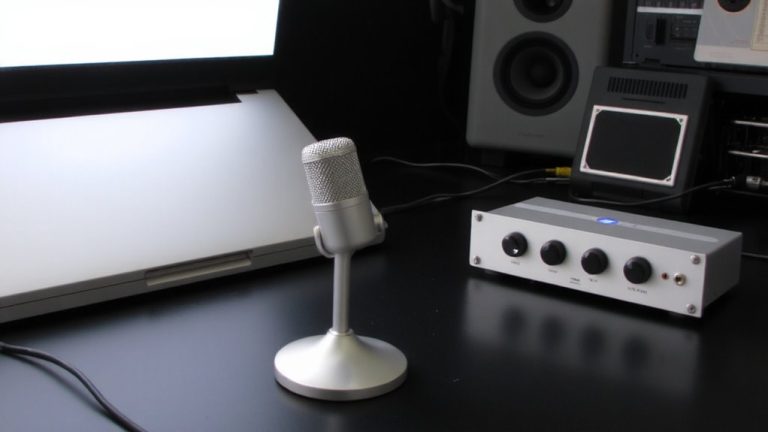
You’ll love playing beginner-friendly duets like Carulli’s Op. 68 or Diabelli’s lyrical pieces, all available free on IMSLP, with their clear notation and balanced textures ideal for home rehearsal or live sets. Keep the piano at mezzo-piano, position your spruce-top guitar 6–8 feet away at a 45-degree angle, use an LR Baggs StagePro preamp, and capture every nuance with an AT2020 condenser mic through a Focusrite Scarlett 2i2, keeping latency under 10ms-your audience will hear the difference. There’s more where that came from.
We are supported by our audience. When you purchase through links on our site, we may earn an affiliate commission, at no extra cost for you. Learn more. Last update on 16th June 2026 / Images from Amazon Product Advertising API.
Notable Insights
- Giuliani’s Opus 68 offers lyrical, structured duets ideal for beginners seeking balanced guitar and piano interplay.
- Carulli’s over 30 beginner-friendly duets feature classical forms and simple fingerings for smooth ensemble playing.
- Diabelli’s early 19th-century duets provide singable melodies and predictable harmonies perfect for novice performers.
- Adaptations of *Imagine* and *Can’t Help Falling In Love* work well with fingerpicked guitar and soft piano.
- Position guitar and piano 6–8 feet apart at a 45-degree angle for optimal acoustic balance and blend.
Top 5 Guitar And Piano Duets For Beginners
While you’re just starting out with guitar and piano duets, you’ll want pieces that balance musicality with manageable technique-and luckily, several classical composers wrote exactly for this level. For approachable Guitar and Piano repertoire, begin with Giuliani’s Opus 68; its clear textures and steady rhythms make piano and guitar duets feel natural, even for novices. You’ll find Diabelli’s early 19th-century duets equally friendly, with singable melodies and predictable harmonies that build ensemble confidence. Carulli’s over 30 duets offer gentle challenges, blending classical form with accessible fingerings, ideal for developing timing and balance. Janos Mertz’s lyrical works, though lesser-known, provide moderate tempos and expressive phrasing perfect for early performance. These pieces, often available through Editions Orphée or IMSLP, are edited with clean notation and practical page turns. They fit neatly into recitals or practice sessions, letting you focus on dynamics, coordination, and listening-core skills that grow every time you play.
Best Classical Guitar And Piano Duets From The 19th Century
The 19th century gave us some of the most enduring guitar and piano duets, and you’ll find these works strike a perfect balance between musical depth and technical accessibility. When you play Classical guitar and Piano duets by Ferdinando Carulli, you’re engaging with over 300 compositions that defined early 1800s chamber music. Mauro Giuliani’s Opus 68 offers structured, lyrical pieces that highlight how well the instruments converse. Anton Diabelli’s duets, often published in Vienna, blend melody and harmony in ways that feel natural under your fingers. Janos Mertz brings Hungarian folk color into the Classical guitar and Piano repertoire, adding expressive nuance without excessive complexity. Much of this music debuted in Paris and Vienna, where publishers supported domestic music-making with clear, well-engraved scores. You’ll appreciate their acoustic balance, especially when using a spruce-top Classical guitar paired with a medium-tension action and a well-regulated upright Piano.
How To Balance Guitar And Piano In Duets
Even when you’re pairing two instruments as different as guitar and piano, getting them to blend well comes down to smart dynamics, positioning, and a little gear know-how. The great piano naturally projects more, so your pianist should play softer-mezzo-piano or lower-to avoid drowning out the guitar. Look to composers like Mario Castelnuovo-Tedesco, who wrote precise dynamic markings so the guitar could shine. In live settings, use an amplified acoustic guitar with a solid preamp, like the LR Baggs StagePro, and stand at a 45-degree angle to the piano’s open lid. Positioning matters: staying 6–8 feet away helps balance volume. Classical duets by Ferdinando Carulli or Giuliani’s Opus 68 were crafted for this blend, with clear score cues for dynamic coordination. Trust your ears, use a sound check, and remember: balance isn’t just volume-it’s respect between guitar and great piano.
Adapt These 5 Famous Songs For Guitar-Piano Duets
You’ve got the balance down-now it’s time to put that guitar and piano blend to work with songs that shine in duet form. Start with Elvis’s *Can’t Help Falling In Love*-its *Plaisir d’amour* roots lend elegance, and alternating leads keep things dynamic. *Imagine* by John Lennon? Perfect: gentle piano chords at 68 BPM pair beautifully with fingerpicked guitar, creating a peaceful, resonant flow. You might think rock songs don’t translate, but Im not sure about that-Green Day’s *21 Guns* builds dramatically, with piano guiding emotion while guitar adds weight. Jim Brickman’s *The Gift* feels like snowflakes on piano and firelight on warm guitar tones, ideal for holiday sets. And *Shallow*? Absolutely, with its swelling dynamics and call-and-response, it delivers modern impact. Use a condenser mic like the Audio-Technica AT2020, dual audio interfaces (Focusrite Scarlett 2i2), and monitor latency below 10ms for tight, expressive live performances.
On a final note
You’ve got the tools to make guitar-piano duets shine, live or recorded. Use a dynamic mic like the Shure SM57 for guitar and a condenser like the Audio-Technica AT2020 for piano, spaced 12–18 inches from sound sources. Set input levels to peak at -6dB, ensuring clarity. In rehearsals, balance volumes so neither overpowers-the piano’s sustain pedal use should match the guitar’s reverb. Test audio with a Zoom H6 recorder, and for streaming, pair with OBS and a Logitech C920, 1080p at 30fps.