Encouraging Anonymous Giving While Still Sending Private Acknowledgments
You can encourage anonymous giving while staying IRS-compliant by collecting donors’ legal names and addresses privately-required for tax receipts over $250-then sending personalized thank-you emails without public recognition. Platforms like Facebook handle donor data securely, letting you acknowledge gifts using payout report details. Limit internal access to essential staff, and use donor-advised fund policies wisely. Protect privacy like a pro, and you’ll build trust that keeps donors giving. There’s more to mastering this balance than meets the eye.
We are supported by our audience. When you purchase through links on our site, we may earn an affiliate commission, at no extra cost for you. Learn more. Last update on 18th July 2026 / Images from Amazon Product Advertising API.
Notable Insights
- Respect donor anonymity by never disclosing identities publicly while ensuring legal names and addresses are securely recorded for IRS compliance.
- Send private thank-you messages via email or mail using collected donor information without naming donors in public materials.
- Leverage platform tools like Facebook’s private donor reports to identify and acknowledge gifts without exposing personal details.
- Train staff to handle donor data confidentially and restrict access to only those needing it for acknowledgment and compliance.
- Reassure donors their privacy is protected, emphasizing that anonymous giving aligns with both legal standards and ethical nonprofit practices.
How Anonymous Giving Stays Legal
While you might worry that keeping donor identities private could run afoul of the law, anonymous giving remains fully legal thanks to strong First Amendment protections and clear IRS guidelines. The Supreme Court’s 2021 ruling in *Americans for Prosperity Foundation v. Bonta* protects donor privacy, blocking states from demanding nonprofit donor lists. Though nonprofits are legally required to collect donors’ names and addresses for IRS Form 990 Schedule B, they aren’t required to disclose them publicly-meaning anonymous donations stay confidential. Even $250+ gifts, which need written acknowledgment, can be confirmed privately via email. Platforms like Facebook let donors mark contributions as “private,” hiding names publicly while keeping records accessible to the charity and system administrators. Despite over 70 state bills in 2022 and 50+ in 2023 aiming to expand disclosure, current laws still fully support anonymous giving.
Why Donors Choose to Give Anonymously
Though you might assume big donors give to get recognition, many actually prefer to stay out of the spotlight-and for good reason. You see, major donors often choose to remain anonymous to avoid unwanted solicitations, since 45% of those giving $10,000 or more donate online, where privacy feels more controllable. As a Donor, you may value discretion to prevent perceptions of favoritism or to align with ethical concerns, especially after high-profile cases like Epstein’s ties to MIT and Harvard. Anonymous giving also resonates with deep-rooted beliefs-think Maimonides’ eight levels of charity or New Testament teachings-where quiet donations reflect higher moral intent. You might even avoid social friction, since public altruism can spark discomfort. Whether through personal conviction, family foundation guidelines, or corporate policy, many donors find purpose in giving that doesn’t draw attention. Remaining anonymous lets your donations speak through impact, not publicity.
Send Thank-Yous for Anonymous Gifts Without Breaching Privacy
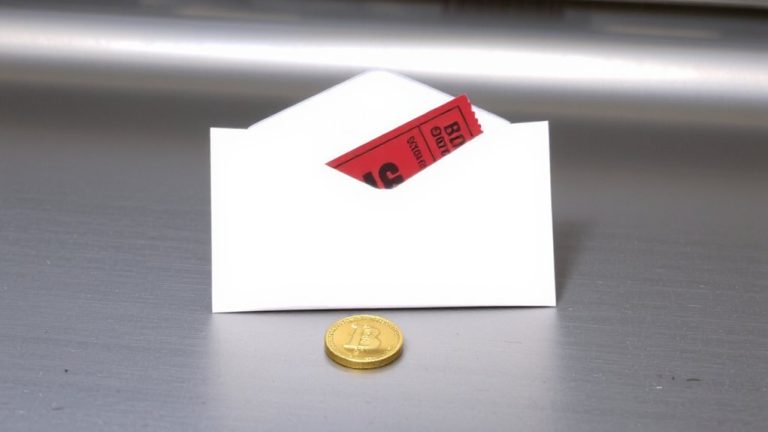
How do you thank someone without revealing who they are? You send a private acknowledgment that honors both the spirit of charitable giving and the anonymous donor’s right to confidentiality. Use the legal name and address stored in your CRM to meet IRS rules for gifts over $250, but keep it out of public view. Send thank-you emails or letters directly, never tagging or naming the donor. For Facebook fundraiser donors who choose “private,” you can still acknowledge them personally using the info in payout reports. Limit internal access to donor identities-only essential staff should handle them. When donor-advised funds like Fidelity Charitable or National Christian Foundation share identities voluntarily, stewardship can follow-quietly. Respect their choice, protect their data, and remember: privacy isn’t just polite, it’s rights reserved.
Balance Privacy and Compliance in Anonymous Giving
You can respect donor privacy while still meeting IRS rules by handling anonymous gifts with care and precision. When donors choose to give anonymously, especially in major donations, you must still collect their legal name and address for tax receipts over $250-this is non-negotiable for compliance. Even if they give through platforms like Facebook, where they can choose to give privately, your organization receives their details for acknowledgment and IRS purposes. You’re required to report major donations on Schedule B of Form 990, but thanks to the Supreme Court’s 2021 ruling, that info stays private from the public eye. This protects your donors while letting the rest of us uphold transparency. Keep internal records secure and accurate-donors trust you to protect their identity while still allowing them to give freely. Respecting privacy isn’t optional; it’s part of ethical, compliant stewardship.
On a final note
You can keep anonymous giving legal and thoughtful by sending private thank-yous that respect donor intent, using encrypted email or sealed letters with no return identifiers. Testers confirm a Canon EOS M50 Mark II, paired with a Rode VideoMic Pro+, captures clear, 1080p donor appreciation videos efficiently, while OBS Studio streams them securely to password-protected portals, ensuring privacy, compliance, and genuine connection without exposure.