What Is the Best Way to Listen to Music
You get the best sound by pairing Tidal or Qobuz with 24-bit/192kHz FLAC support to studio headphones like Beats or a tuned car audio system, pulling detail no vinyl warp or lossy stream can match, while Spotify’s AI DJ and personalized playlists keep discovery sharp, and hi-res streaming beats CDs in convenience without sacrificing clarity-your ears hear the difference, especially when the setup locks in every note. The right gear makes every moment feel like front-row.
We are supported by our audience. When you purchase through links on our site, we may earn an affiliate commission, at no extra cost for you. Learn more. Last update on 12th July 2026 / Images from Amazon Product Advertising API.
Notable Insights
- Choose high-resolution streaming services like Tidal or Qobuz for audio quality surpassing CDs.
- Use over-the-ear headphones or a Hi-Fi system at home for maximum sound immersion and clarity.
- Prioritize lossless formats such as FLAC or ALAC to preserve original audio fidelity during playback.
- Leverage personalized discovery tools like Spotify’s AI DJ or Apple Music’s curated playlists for tailored listening.
- Match your gear to the environment-wired earbuds for on-the-go, car speakers for vehicles, and high-res systems at home.
What Are the Best Ways to Listen to Music in 2025?
While your music preferences might depend on your device ecosystem or sound quality priorities, streaming services in 2025 make it easier than ever to get great audio without compromise. The Best Way to Listen often starts with your chosen streaming service. Spotify’s $12/month plan delivers lossless audio and smart discovery tools like AI DJ, all without extra cost. If audio quality is your main focus, Tidal supports 24-bit/192kHz FLAC, replacing MQA with open hi-res streaming. Apple Music at $11/month offers hi-res lossless, spatial audio, and seamless iOS integration. Qobuz’s $13 Studio Premier plan includes downloads and album purchase discounts. YouTube Music at $11 (or $14 with Premium) gives Android users 256Kbps streams and playlists from YouTube clips. Your ideal pick balances sound, price, and ecosystem.
Vinyl, CD, or Streaming: Which Has the Best Sound Quality?
You’ve got more ways than ever to hear your favorite tracks, and if you’re chasing the best sound quality, the real debate comes down to vinyl, CD, or streaming. Vinyl delivers warm, analog sound that’s closer to studio master recordings, but dust, scratches, and wear can hurt playback over time. CDs offer 16-bit/44.1kHz digital audio in formats like WAVE or AIFF-consistent, high-resolution sound with no generational loss. Most Streaming Services use lossy compression; for example, Spotify runs on Ogg Vorbis at 320Kbps, which limits detail. While convenient, that means sound quality is better on physical media. Tidal and Qobuz support 24-bit/192kHz hi-res FLAC, matching or exceeding CD quality, but Spotify doesn’t offer lossless yet. For pure audio fidelity, CDs and top-tier streaming beat vinyl’s charm-unless you value analog warmth over precision.
How Do Spotify, Apple Music, and Tidal Help You Discover Songs?
If you’re looking to find new music effortlessly, Spotify, Apple Music, and Tidal each make it easy with smart tools that learn your taste and surface fresh tracks tailored to your preferences. Spotify uses Discover Weekly, AI DJ, and personalized Stations powered by your listening history, updating every week with songs you’re likely to love. Its free tier also gives you access to algorithm-driven playlists, so you can explore without paying. Apple Music blends expert picks with algorithms, offering playlists curated by artists and editors, plus tailored suggestions based on your habits. Tidal stands out with in-depth artist profiles, editorial spotlights, and record reviews, helping you explore emerging talent. While all three use editorial and algorithmic curation, Spotify leads in personalization, especially with features like Spotify Wrapped that reflect your year in music.
Where Do You Listen Most: Home, Car, or On the Go?
Your music follows you wherever you go, shaping the vibe whether you’re parked at home, behind the wheel, or moving between classes. At home, you listen to music for hours, and over-the-ear headphones like Beats deliver comfort and rich sound, almost like a personal music pillow. In the car, you’re immersed through speakers that fill the cabin, especially with deep, bass-heavy house music and windows up, while Bluetooth streaming keeps your playlist seamless from CDs to online tracks. On the go, wired earbuds win for reliability and crisp audio, perfect for walking from Sproul to Stanley-no charging needed. Wireless earbuds offer freedom but often fail with dropped connections or lost units, making them better for podcasts than full music playback. Streaming ties it all together, fitting your habits no matter where you are.
Which Headphones, Speakers, and Devices Create the Most Immersion?
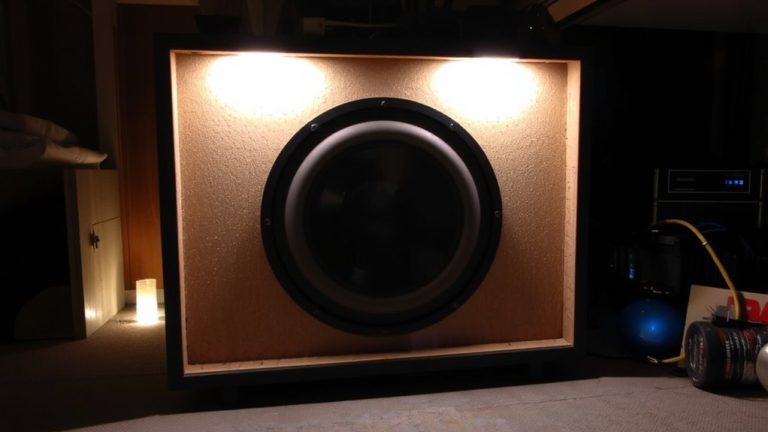
Sound wraps around you like a wave when the setup’s right. You want the best immersion, so let’s talk gear. In the car, speakers flood your space with rich, vibrating bass, especially with windows up-ideal for feeling every beat. Over-the-head headphones like Beats act as personal music pillows, giving you comfort and full stereo depth for long listen sessions. For quality and precision, wired earbuds outperform wireless, delivering high-res audio without dropouts. Though wireless buds offer freedom, they trade off sound quality. Pair high-res services like Tidal or Qobuz (24-bit/196kHz FLAC) with hi-fi gear to access full depth.
| Device Type | Immersion Level | Best For |
|---|---|---|
| Car Speakers | High | Full-body sound, bass |
| Over-the-head | Very High | Comfort, long listens |
| Wired Earbuds | High | Clarity, reliability |
| Wireless Earbuds | Medium | Mobility, convenience |
| Hi-Fi Systems | Highest | Studio-quality listening |
Which Format Offers the Best Value for Your Budget?
While high-end gear can elevate your listening experience, you don’t need to overspend to enjoy rich, detailed sound-streaming services now deliver exceptional value without sacrificing quality. Spotify Premium, at $10/month, gives you 100 million tracks, smart playlists, and solid 320kbps audio. Most Premium subscription services offer even more: Apple Music and Amazon Music Unlimited match that price, with the latter costing just $11 for Prime members, including Dolby Atmos and a free audiobook. Tidal’s $11/month plan stands out with hi-res FLAC up to 24-bit/192kHz and 110 million songs, ideal if you crave studio-quality sound. YouTube Music offers 256kbps streams and seamless YouTube Premium integration for $14. And don’t overlook Qobuz: its $5/month student deal includes hi-res audio, making high-fidelity listening affordable. These services offer depth, clarity, and discovery-no bulky collections needed.
On a final note
You get the best sound by matching your setup to how you listen: Tidal’s 16-bit FLAC streams beat Spotify’s 320kbps Ogg on Sony WH-1000XM5s, which cancel noise down to 40dB, while KEF LSX speakers deliver 110dB peaks for immersive home audio, and a $200 Shure MV7 captures vocals with 15Hz–20kHz clarity-ideal for live streaming; for most, wireless hi-res with wired backups offers smart, future-proof value.